

For years, I believed I needed to feel motivated before I could train. I thought the right mood would arrive like a green light. Energy high, mind clear, day perfectly aligned. But that day rarely came. Exercising five times a week didn’t happen because I suddenly became more motivated. It happened because I stopped negotiating with my feelings. It took me a long time to build this discipline. A long time to understand that I don’t need to feel good to begin. I just need to begin.
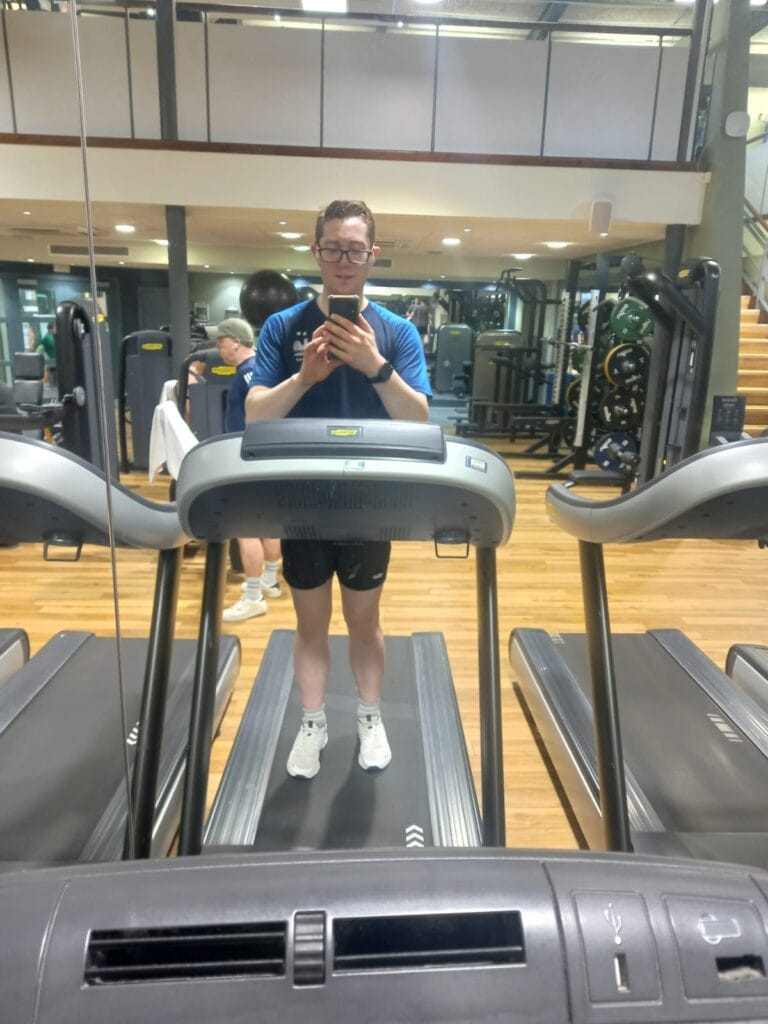
Some days I wake up energized. Other days I feel heavy, tired. And still, I go and don’t wait for the day to be perfect. I don’t wait for inspiration. I go to the gym, put on my shoes on and step on the treadmill. Or I go outside and run, even if my mind is reluctant. Motivation is emotional, emotion follows motion. The real fitness secret isn’t a program, a supplement, or a perfect routine. It’s the decision to show up especially when you don’t feel like it. Because every time you go anyway, you’re not just training your body. You’re training your identity.
High performance is rarely about dramatic bursts of inspiration. It’s about repeatable behaviours. Exercise is one of the simplest ways to elevate our performance not just physically, but mentally and professionally. When we move our body regularly, we sharpen our focus, increase our energy levels, and build resilience to stress. That clarity carries into our work. We think better. Decide faster. React calmer.
Variety of Exercises
A recent article from BBC highlighted research suggesting that variety in exercise could be a key factor in living longer. According to the findings, people who engage in a wide mix of physical activities have a 13–41% lower risk of death from causes such as cancer, heart disease, lung illnesses, and other chronic conditions.
Variety challenges different systems:
- The cardiovascular system
- The muscular system
- The respiratory system
- The nervous system
- Even our coordination and cognitive flexibility
When we switch between endurance, strength, mobility, and skill-based activities, we create a kind of internal cross-training for life itself. It’s not only about burning calories it’s about stimulating adaptation. This is exactly what I discovered through triathlon.
Triathlon is never monotonous. One day you swim suspended in water, breath controlled, rhythm steady. Another day you cycle speed, cadence, resistance. Then you run impact, endurance, mental grit. Three disciplines. Three energies. Three conversations with your body. And because that wasn’t enough, I added gym sessions upper body one day, lower body another. Strength to complement endurance. Stability to protect movement. What if the key to living longer isn’t pushing harder but moving differently?
Every session feels different. My body never settles into autopilot. Triathlon gave me this insight in a practical way. It removed boredom. It prevented overuse. It built balance. And adding gym work deepened the structure beneath the endurance. And maybe that is the real secret not intensity, not perfection, but diversity.
Action Comes Before Motivation
Since the beginning of the year, London has been wrapped in grey and rain almost every day and cold. The kind of weather that whispers, stay inside. There are mornings when I would much rather remain at home, wrapped in a blanket, watching a comforting TV program. Motivation rarely shows up first, action does. I get up not because I feel like it, but because I remind myself of the benefits the rush of clarity after a run, the quiet pride after a session, the steady lift in my mood. I know that once I move, everything shifts. My energy changes. My posture changes. Even the way I speak to people changes.
Choosing to exercise is not about chasing motivation; it’s about trusting that the feeling will follow the action. And it always does.
A Gentle Reminder of What I Can Control
On a rainy morning run, when my clothes are soaked and the cold seeps in, I remind myself of one simple truth: I can’t control the weather and in life to move on or to take action. The discomfort is real, nothing in this life is comfortable when we have dreams. I focus on my breath, my pace, my next step forward. Moving on isn’t about waiting for better conditions; it’s about accepting what is and choosing to keep going anyway.
In The Alchemist, Paulo Coelho shows us that Santiago cannot control the desert winds, the heat, or the obstacles placed in his way only his decision to continue. An exercise routine is no different. We cannot control the weather, our fluctuating motivation, or the unexpected disruptions in life. But we can control whether we lace up our shoes, step outside, and stay consistent.
Like Santiago following his Personal Legend, every workout is a quiet act of faith trusting that small, repeated actions will eventually lead us to our own treasure: strength, health, resilience. The conditions are rarely perfect, but the choice to move forward always belongs to us.

Consistency is the most important
Consistency in exercise is less about heroic bursts of motivation and more about quiet promises you keep to yourself. The rule “never miss twice” changes everything: missing one workout is human, missing two is the start of a new habit. The amount of training doesn’t matter. Just a 15 minutes cycle or run is better than not showing up and scrolling or watching rubbish at home.
Life will interfere rainy mornings, long shifts, low energy but showing up the next day reinforces your identity more than any perfect week ever could. Progress is built in these small recoveries. It’s not about intensity; it’s about rhythm. One session at a time, you prove to yourself that discipline is stronger than mood, and that momentum is always just one decision away.
Final Words
Taking care of your health is not a short-term project it’s a lifelong relationship with yourself. Choosing whole foods over ultra-processed convenience is an act of self-respect. Moving your body regularly is a vote for the person you are becoming. Exercise stops being a task and becomes a lifestyle when you see it as part of your identity, not just your schedule. Every small step counts: one healthier meal, one workout you didn’t feel like doing, one early night instead of scrolling. Consistency shapes character. You don’t transform in one dramatic leap you evolve through daily decisions that align with your future self.
Consistency in avoiding screens an hour before bed is a quiet investment in your recovery. Blue light delays melatonin release, keeping your brain alert when it should be winding down. Choosing to cut the noise putting the phone away, dimming the lights signals to your nervous system that it’s safe to rest. Replacing scrolling with journaling or reading fiction slows your thoughts and creates space for reflection or imagination instead of stimulation. One calm evening won’t change everything, but repeated nightly, it reshapes your sleep. In order the wake up early and going to the gym again.
Where are you choosing short-term comfort over long-term vitality? What does “never miss twice” look like in your current routine? What standards do you want to live by, regardless of mood or circumstances?